
Early Detection Is Key to Protecting Your Vision
Eye diseases can develop quietly without noticeable symptoms, often leading to vision loss if left undiagnosed. At First Optometry, we believe in the power of prevention.
Many eye diseases can develop silently, with no noticeable symptoms in their early stages. That’s why regular eye exams are so important—they allow us to detect issues early, when treatment is often most effective.
Through our diagnostic tools, we can detect early signs of conditions like glaucoma, cataracts, macular degeneration, and diabetic retinopathy and take action to protect your sight. Contact us to schedule your eye exam today and get ahead of eye disease.

The Role of Nutrition in Eye Health
A healthy diet is one of the most effective ways to protect your eyes from diseases like AMD and cataracts. Nutrients like lutein and zeaxanthin, found in dark leafy greens and blueberries, can help lower the risk of cataracts and AMD.
Additionally, vitamin C (found in citrus fruits) and omega-3 fatty acids (found in cold-water fish like salmon and tuna) can support retinal function and reduce inflammation, helping to manage dry eye symptoms and promote overall eye health.

Common Eye Diseases & Conditions We Diagnose & Manage
During your eye exam, we use our technology to gather detailed images of the structures inside your eyes. These images help us monitor and diagnose any potential eye diseases.
We’re committed to helping you understand your eye health and empowering you to make informed decisions about treatment options. Here’s a closer look at the most common eye diseases we diagnose and manage
Glaucoma is a group of eye conditions that damage the optic nerve, often due to increased pressure inside the eye. Unfortunately, glaucoma often shows no symptoms in its early stages.
As the disease progresses, it can lead to peripheral vision loss and, if left untreated, complete blindness. The first noticeable symptoms often include:
- Peripheral vision loss
- Halos around lights
- Eye discomfort
Fortunately, early treatment with medicated eye drops can help manage the condition and prevent further vision loss. Regular eye exams are crucial, especially if you have risk factors such as being over 60 or having a family history of glaucoma.
Cataracts are a natural part of the aging process, affecting the clarity of the lens in your eye. They often develop slowly, leading to blurry or foggy vision, decreased night vision, and muted colours.
Cataracts eventually affect nearly everyone as they age, and while they can be managed with glasses in the early stages, surgery may be required as they progress.
While cataracts can’t be reversed, they can be successfully treated with surgery to remove the cloudy lens and replace it with a clear intraocular lens (IOL), helping to restore vision.
Age-related macular degeneration (AMD) is the leading cause of blindness in people over 55. It affects the macula, the part of the retina responsible for central vision, making it difficult to see faces, read, and drive.
AMD can develop without noticeable symptoms in the early stages, but as the condition progresses, central vision can become blurry or distorted. There are 2 forms of AMD:
- Dry AMD: The more common form, which progresses slowly. Though it has no cure, it can be slowed by lifestyle changes, vitamin supplements, and giving up smoking.
- Wet AMD: Less common but more aggressive, causing rapid vision loss. Wet AMD can often be treated with medications or laser therapy.
Diabetes can cause damage to the blood vessels in the retina, leading to diabetic retinopathy and diabetic macular edema. This damage can result in vision problems or potential blindness if left untreated. People with diabetes should have regular eye exams to monitor for these conditions and prevent serious vision loss.
Symptoms of diabetic retinopathy may include:
- Blurry or fluctuating vision
- Dark spots or “floaters” in your vision
- Vision loss
Managing your blood sugar and scheduling regular eye exams are essential steps in protecting your vision.
Conjunctivitis is an infection or inflammation of the conjunctiva, the thin membrane that covers the whites of the eye and the inner eyelid. It can be caused by bacteria, viruses, allergens, or chemicals. Symptoms may include:
- Redness or pinkness in the whites of one or both eyes
- Itching sensation
- Light sensitivity
- Watery or sticky discharge
If you suspect you have conjunctivitis, it’s essential to seek care to prevent the infection from spreading or worsening symptoms.

Exercise & Your Vision Health
Exercise is essential for overall health, and it also contributes to healthy eyes. Research has shown that regular physical activity can reduce the risk of age-related macular degeneration (AMD) and promote eye health.
Exercise also helps increase blood flow to the eyes and can lower inflammation, benefiting those at risk of certain eye diseases. Regular exercise not only strengthens the body but also helps keep your eyes functioning as you age.

Putting Your Eye Health First
If you’re concerned about your eye health or haven’t had an eye exam in a while, schedule an appointment today. Early detection is key to protecting your vision. Our team of eye doctors in St. Thomas is here to help you maintain clear vision for years to come.

Our Eye Care Services


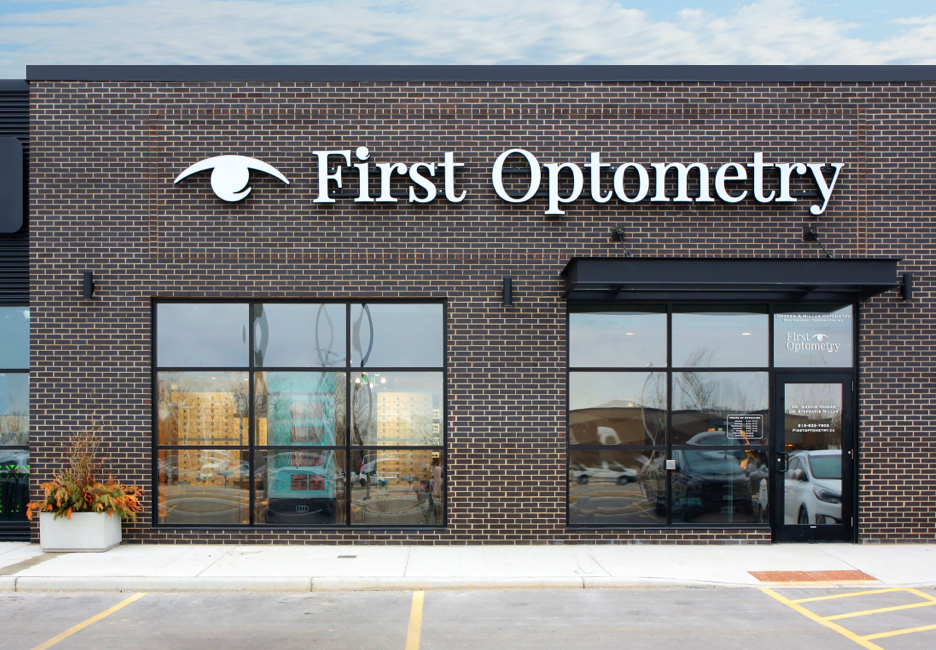

Our Convenient Location & Hours
You can find us on Talbot Street, right next to Sleep Country. There’s plenty of parking available outside the clinic. We can’t wait to see you!
Come Visit Us
- Phone: 519-633-7803
- Email: [email protected]
- 9-1025 Talbot Street
- St. Thomas, ON N5P0G8
Hours Of Operation
See Our Google Reviews
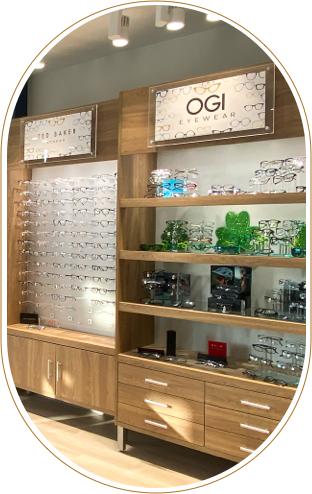
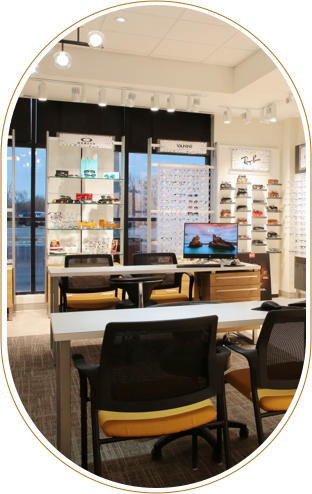
Brands We Carry
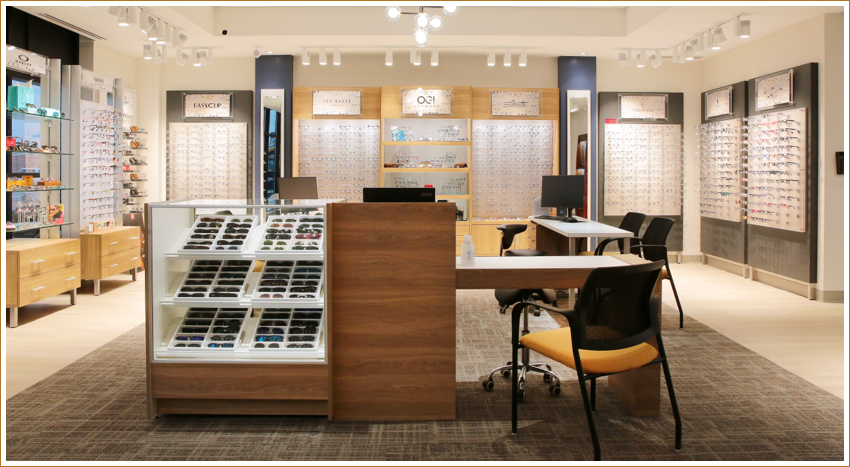




Our Gallery



About Us
Specialty Eye
Care
Dry Eye
Therapy
Eye Exams
Products
Location &
Appointments
- 9-1025 Talbot Street
- St. Thomas, ON N5P0G8